
Capacity Building in Agricultural Risk Management: Insights from a training by PARM
Capacity Building in Agricultural Risk Management: Insights from a PARM Training
Held in Hammamet, the event brought together over 30 participants, including TRACE program implementation partners from the four Tunisian governorates, as well as local experts.
The workshop welcomed members of the TRACE Northwest team – comprising Microfinanza, ACK, and Ager Consortium members – alongside the TRACE Gabès team – implemented by Enda, and the TRACE Kairouan team formed by UTSS.
© Photos by World Bank
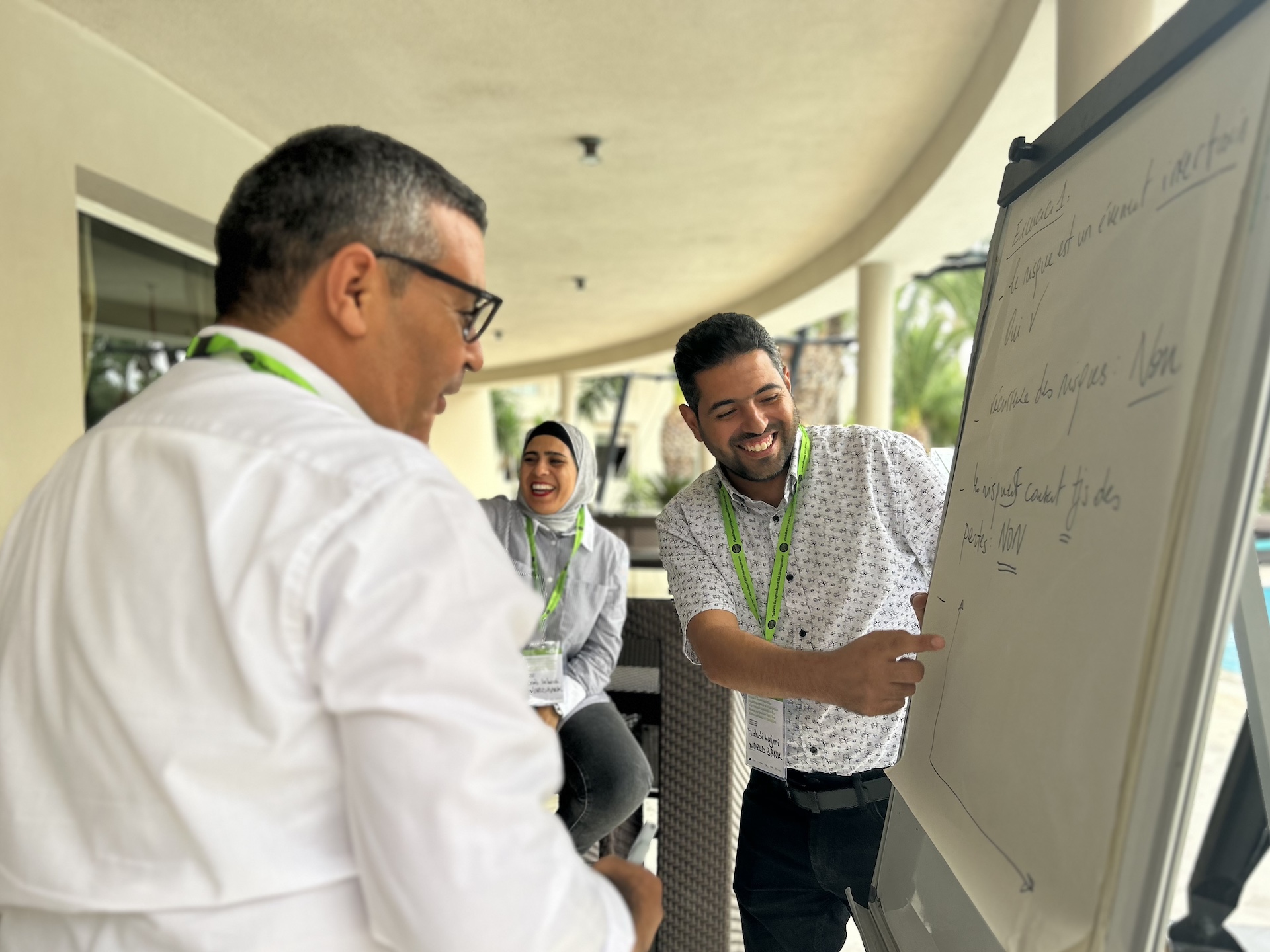
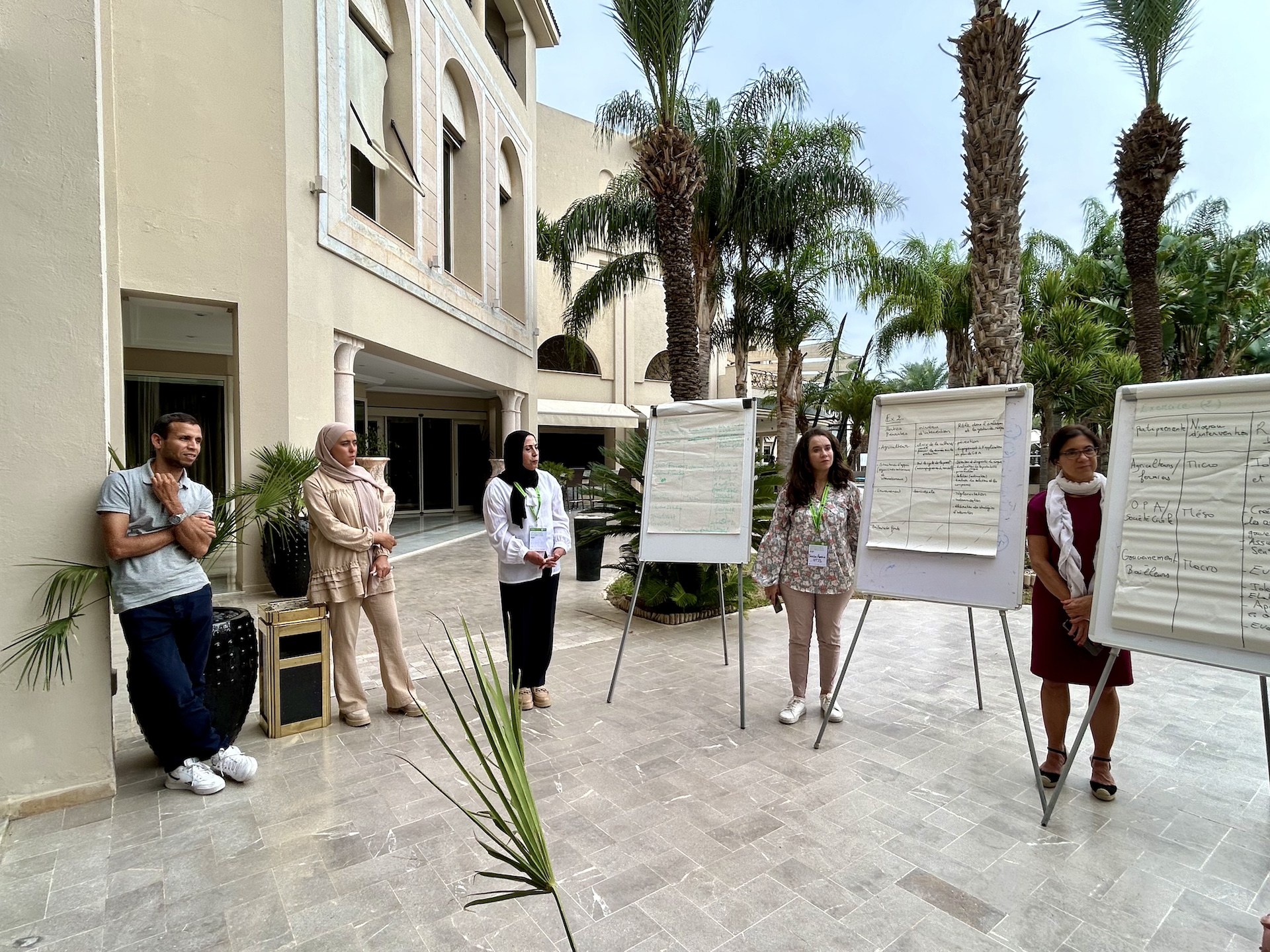
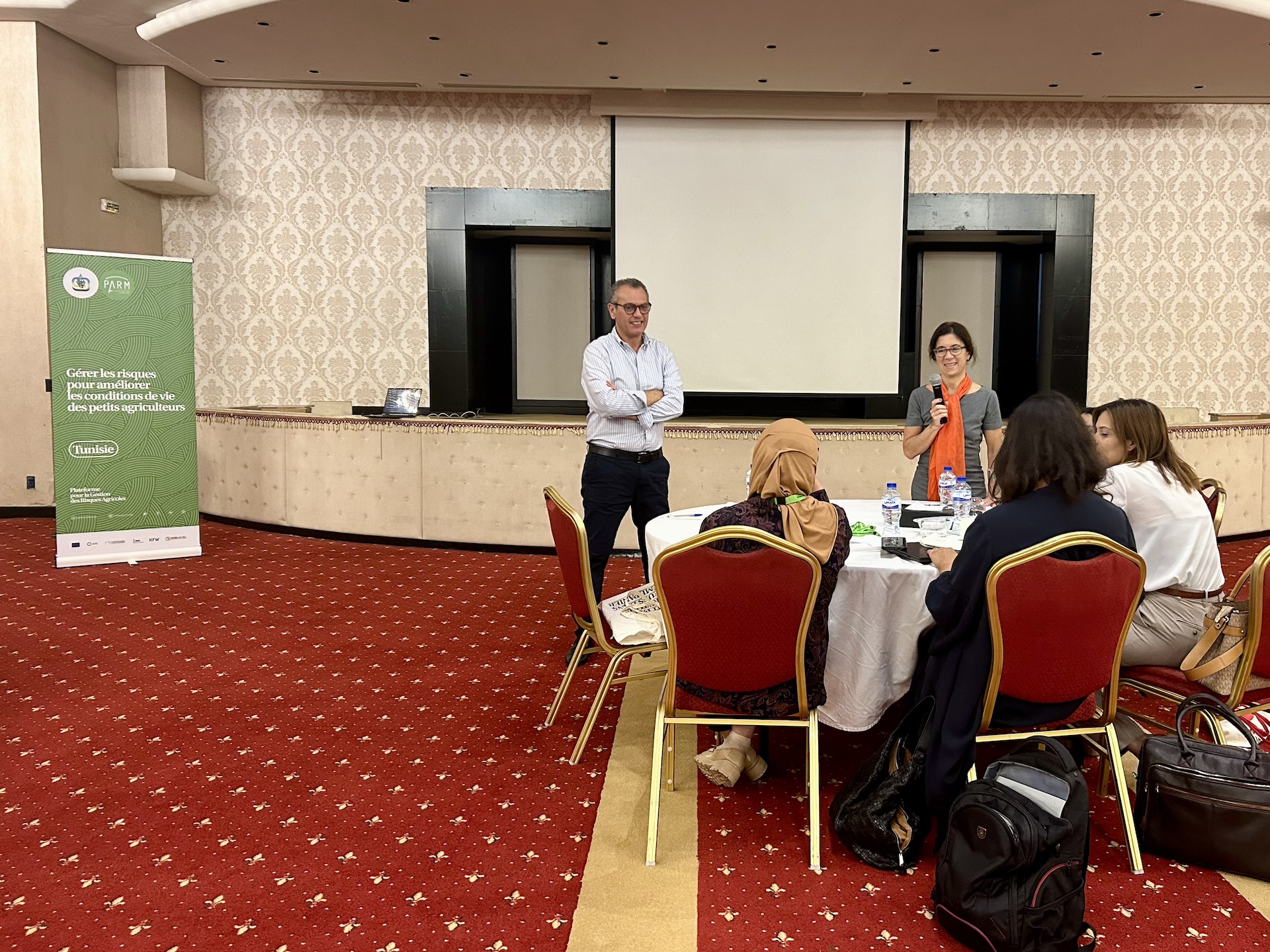
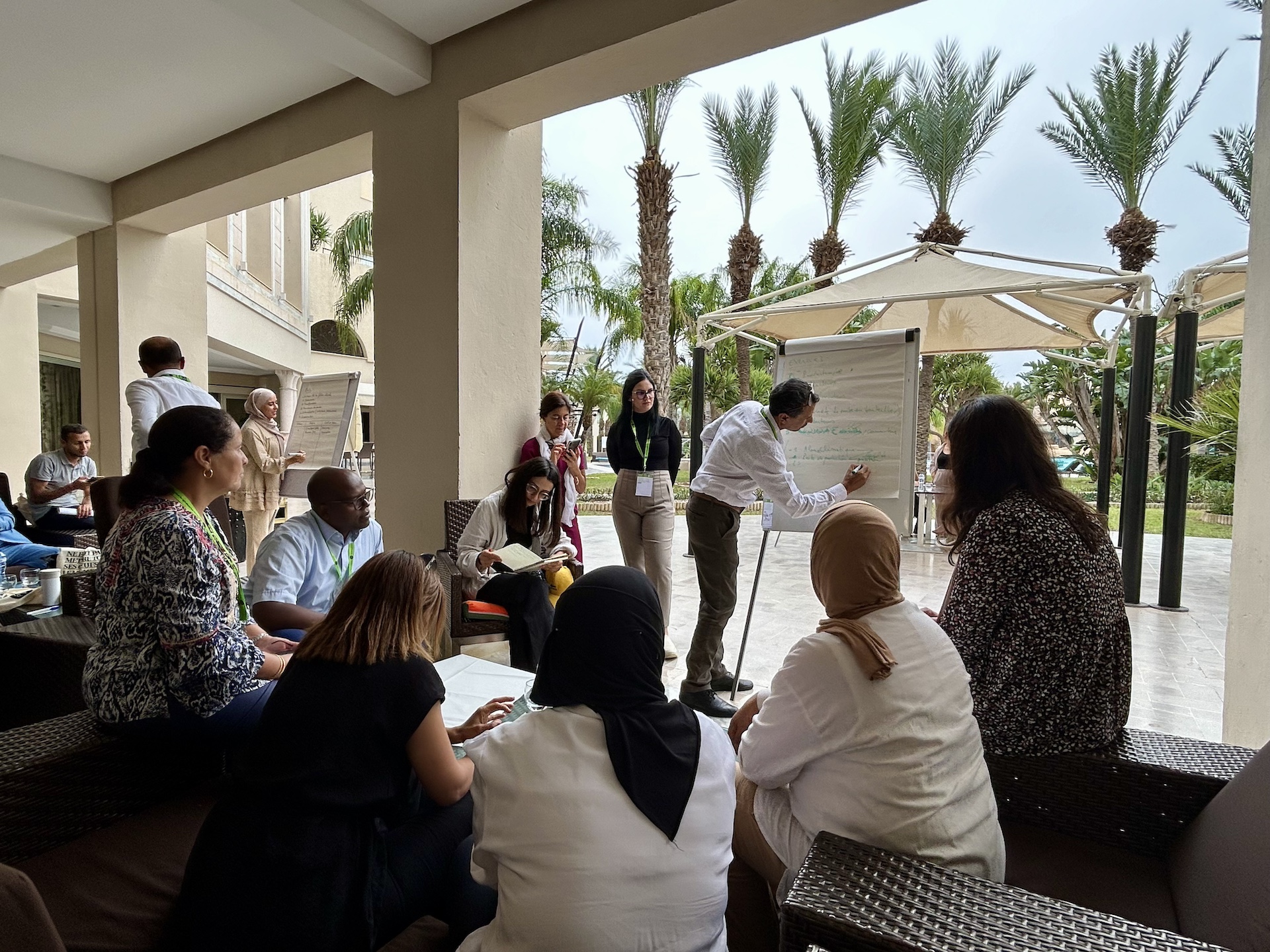
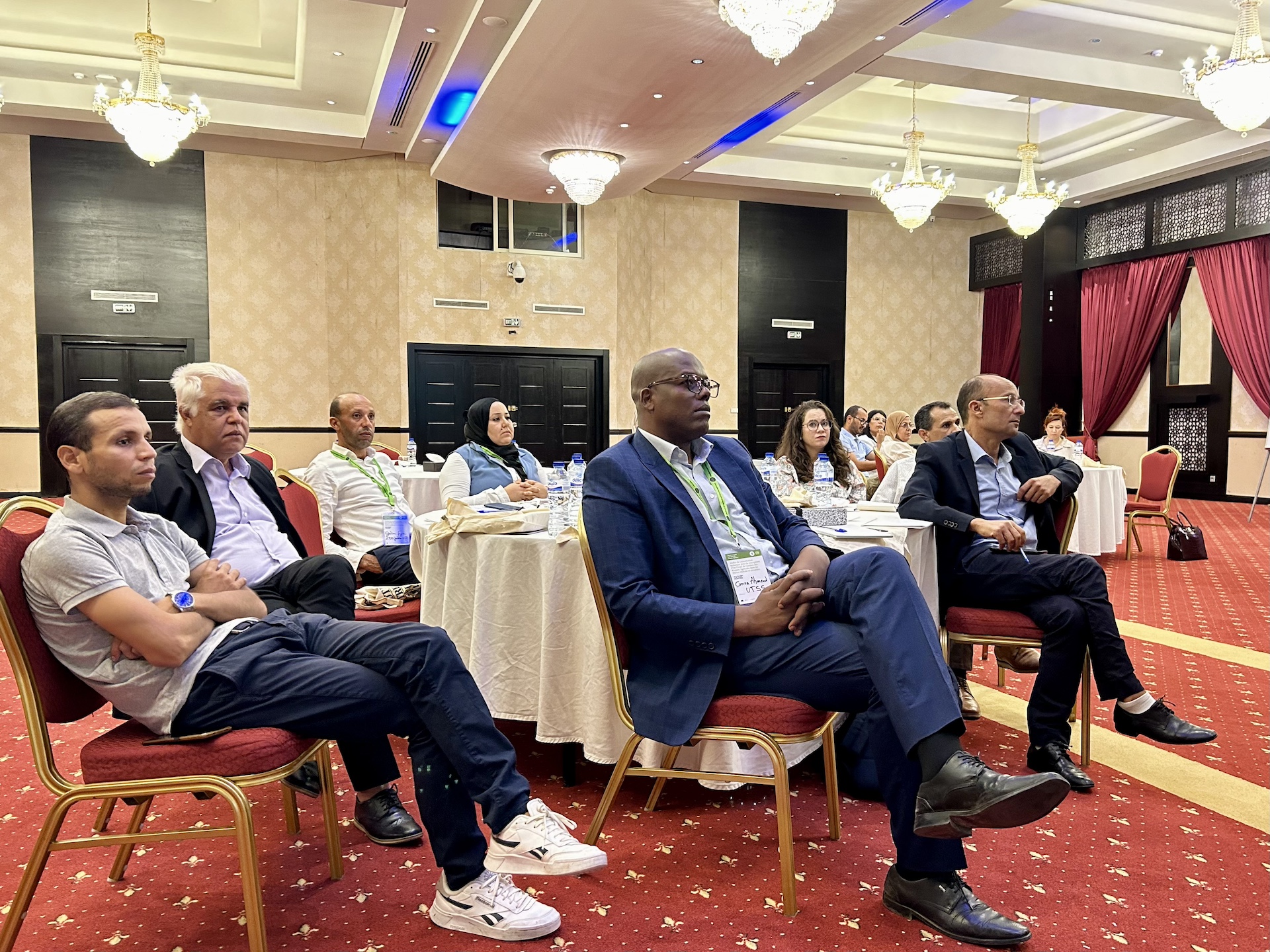
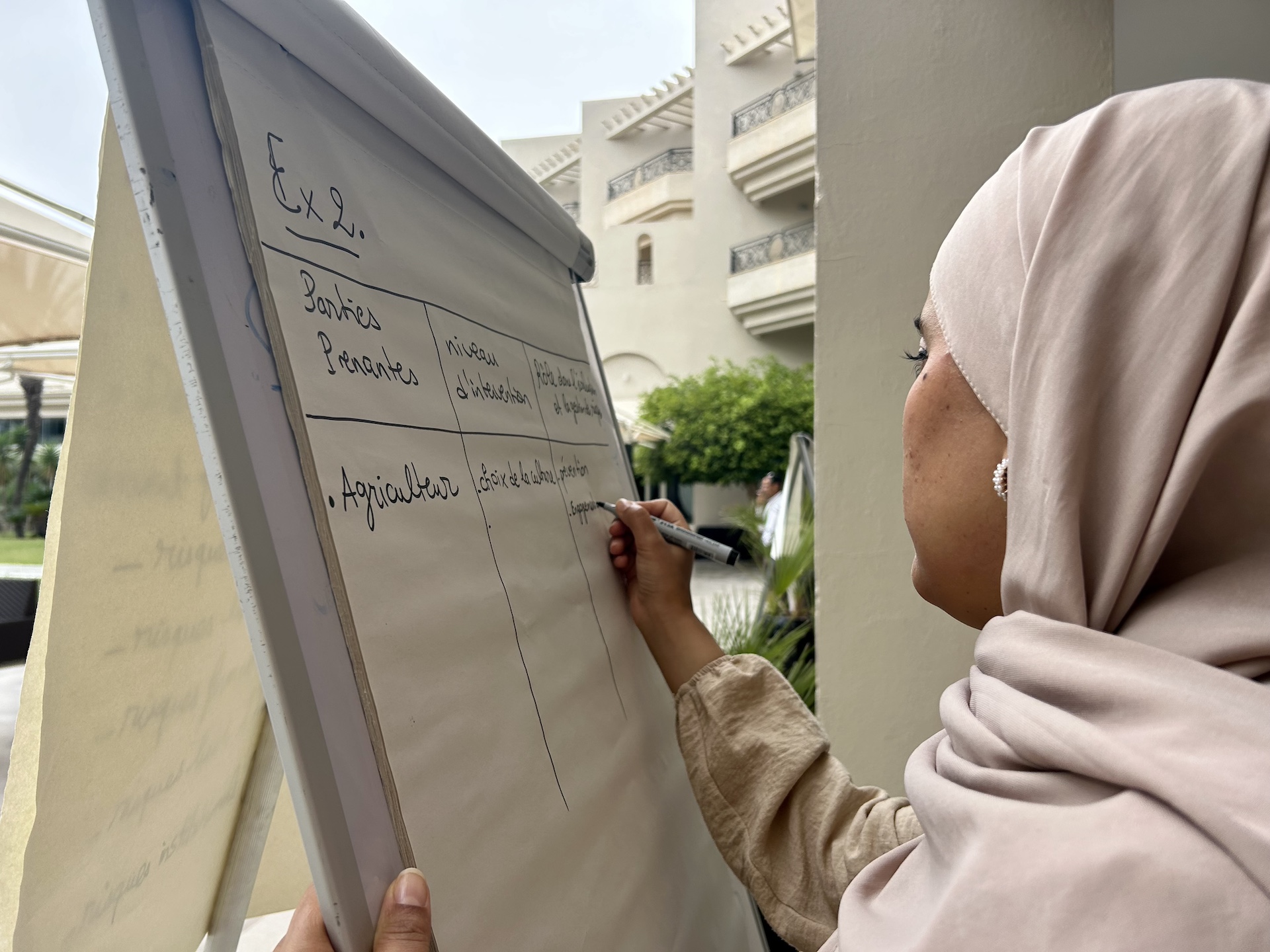
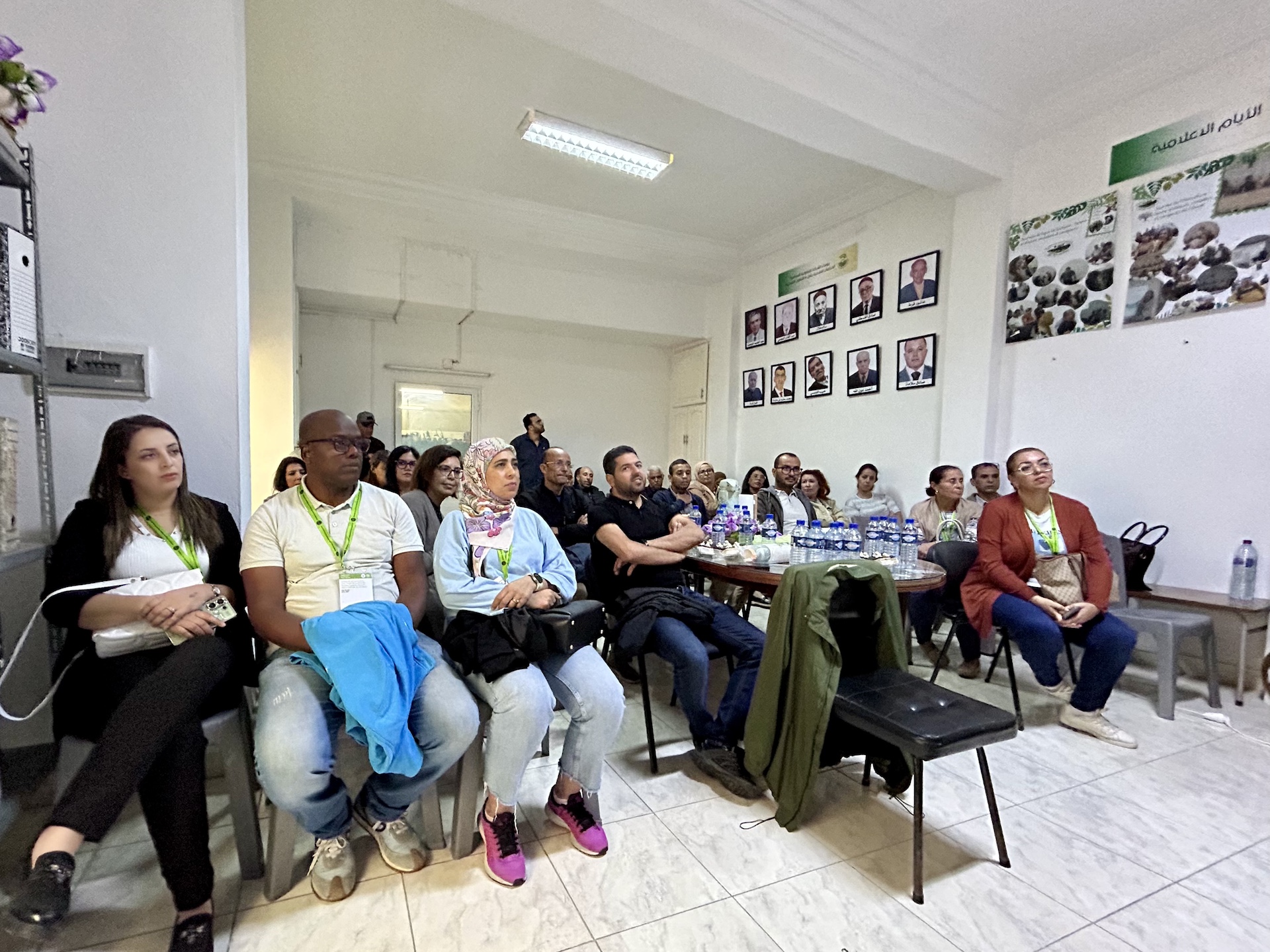
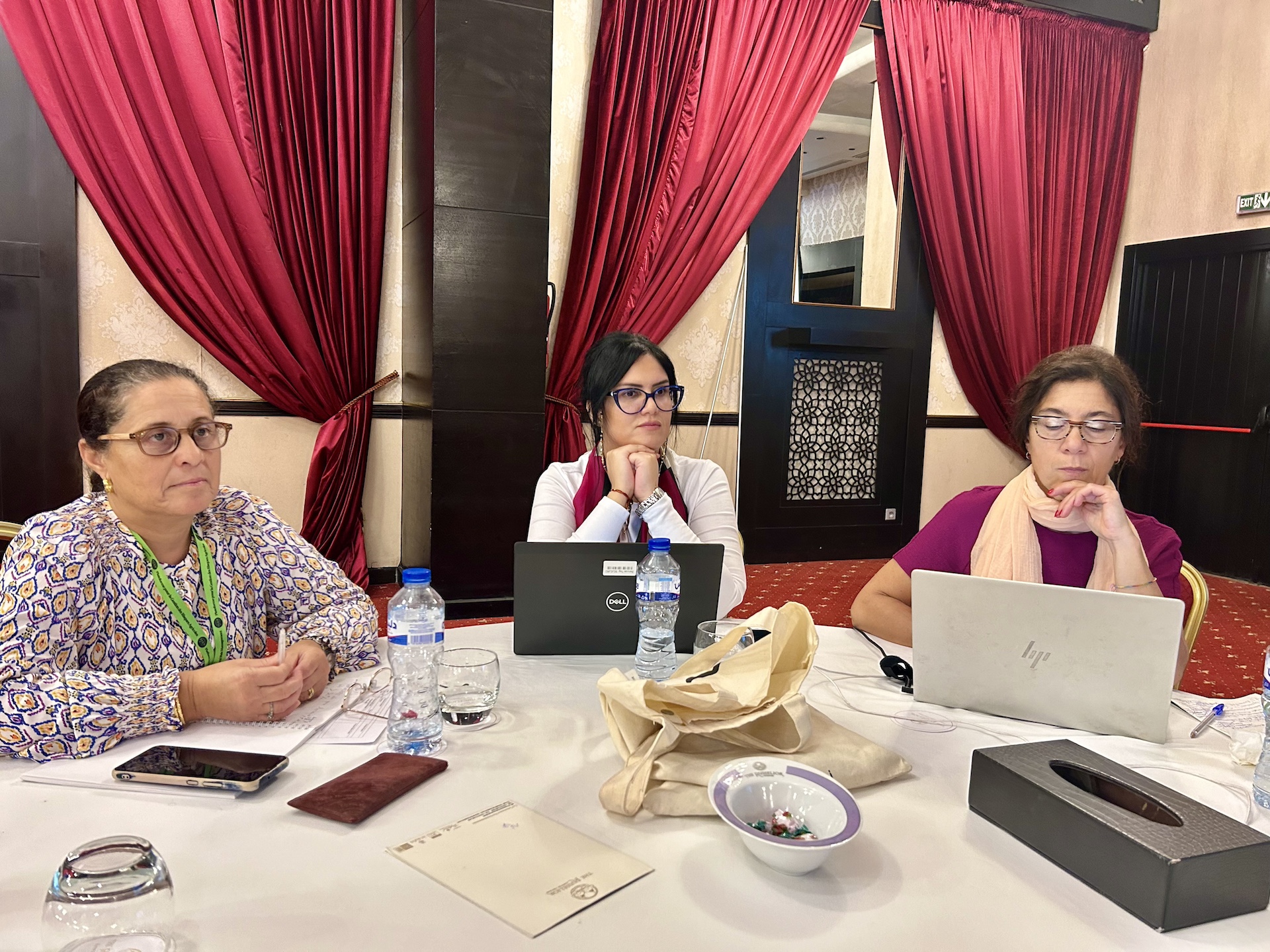
The workshop focused on crucial topics for Tunisian agriculture, including:
- Water resource management
- Risks associated with agricultural production chains
- Specific insights into the olive oil and cereal sectors
Renowned experts from institutions such as the École Supérieure des Sciences Économiques et Commerciales (ESSEC) of Tunis, the National Agronomic Institute of Tunisia (INAT), and the Olive Tree Institute shared their knowledge. They emphasized the importance of integrating social and environmental dimensions into agricultural risk management to secure sector investments and enhance resilience against the now-inevitable impacts of extreme climate events.
Participants were introduced to the holistic approach promoted by PARM, which includes:
- Risk assessment and prioritization based on concrete data
- Identification of tailored tools and strategies for effective management
- Monitoring and evaluation of implemented actions
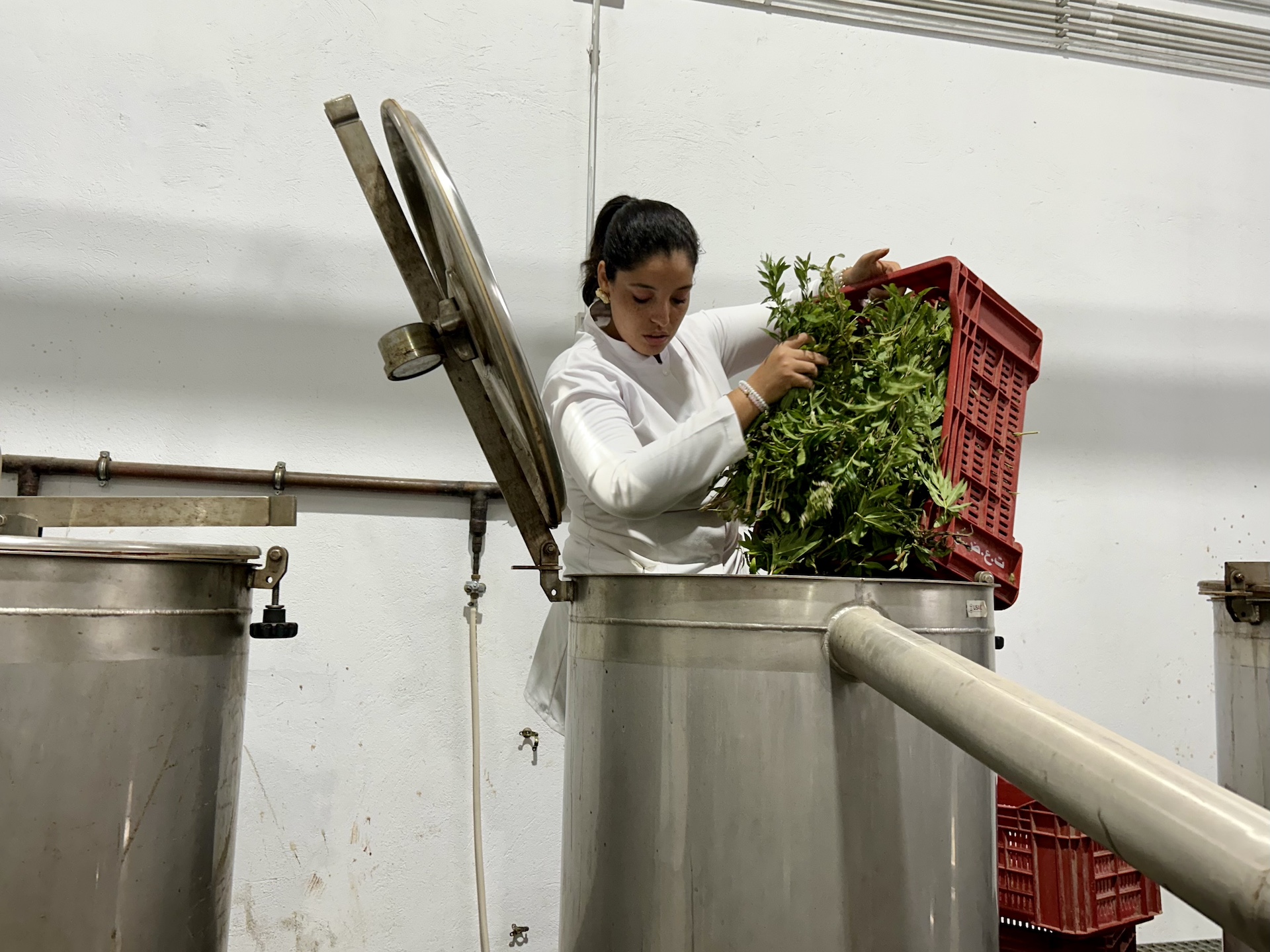
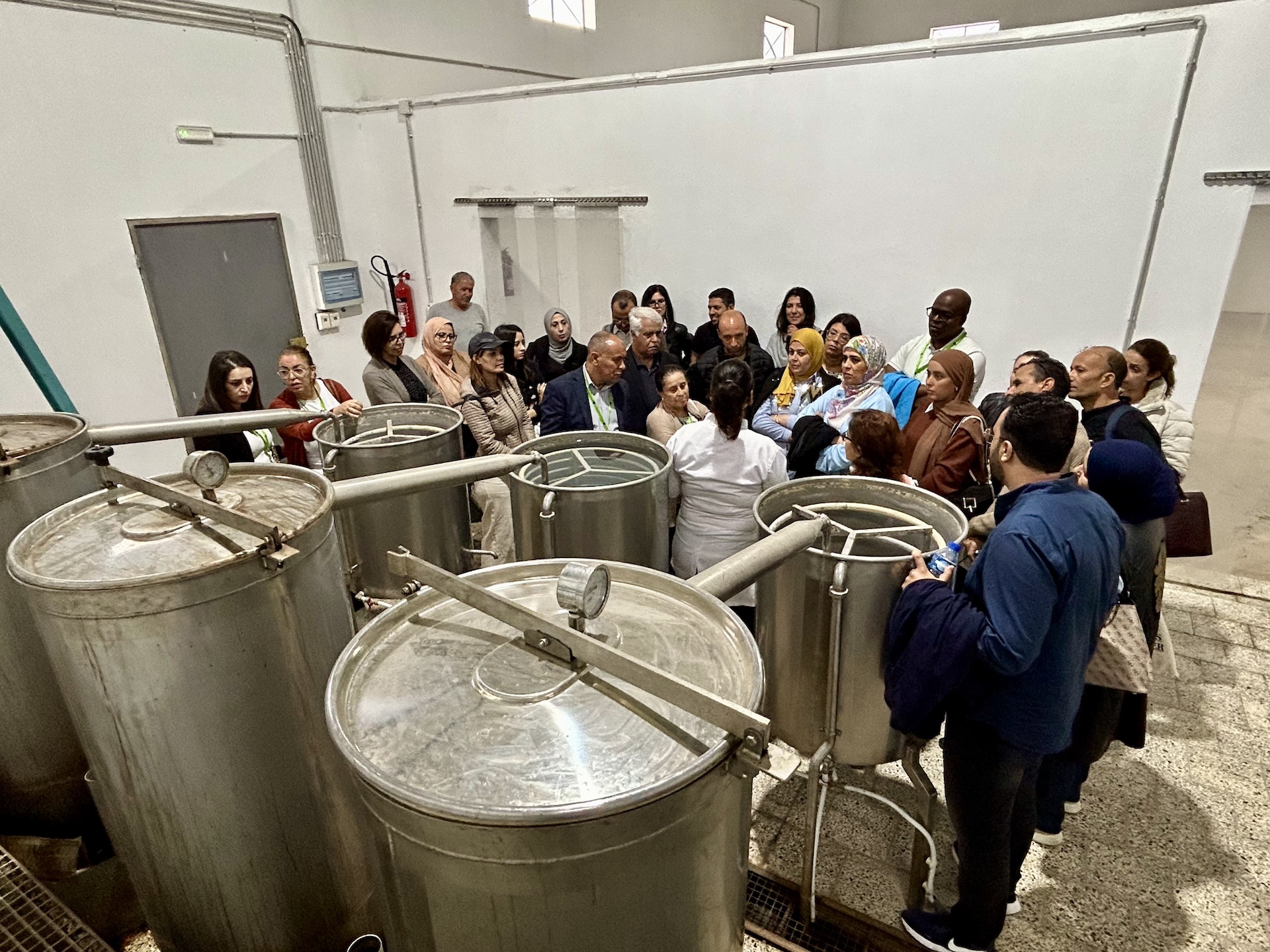
The experience was further enriched by a visit to the Société Mutuelle de Services Agricoles – SMSA Fechka in Nabeul, which specializes in distilling aromatic herbs. This visit highlighted the role of cooperatives as key tools in agricultural risk management, showcasing their potential to bolster local producers’ resilience by providing collective workspaces and quality tools tailored to their needs.
This workshop was a valuable moment of learning and sharing, opening promising perspectives for a more resilient and sustainable Tunisian agriculture.
The Tunisian Rural and Agricultural Chain of Employment (T.R.A.C.E) programme aims to create jobs, particularly for young people and women, in the rural, agricultural and agri-food sectors in Tunisia. Financed by the Government of the Netherlands via a trust fund managed by the World Bank, this project is being implemented by the Consortium composed by Microfinanza, ACK International and AGER. Find more about TRACE.
