LIFE Debris2Resource: working visit in Umbria, Italy

LIFE Debris2Resource: Green Recovery Ukraine partners in Umbria: three days dedicated to debris management and sustainable reconstruction

July 31st 2026

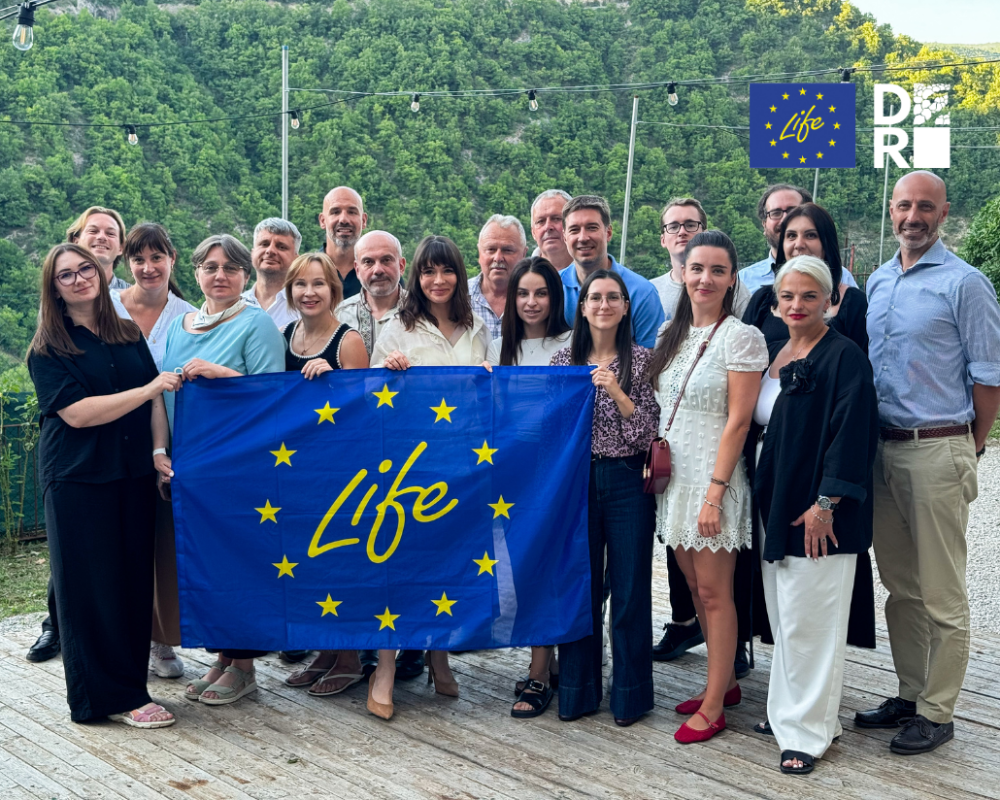
From 7 to 9 July 2026, the partners of the LIFE Debris2Resource – D2R project met in Umbria for a working visit focused on debris management, material recovery and sustainable reconstruction. The three-day programme combined project coordination, technical visits and knowledge exchange between Italy and Ukraine, with the aim of transferring expertise and identifying solutions that can be adapted to the needs of Ukrainian communities.

The first day was dedicated to reviewing the first year of project implementation and planning the next activities. Partners shared progress achieved in developing approaches to war-related debris management, testing pilot solutions with local communities, preparing training programmes, and carrying out communication and dissemination activities.

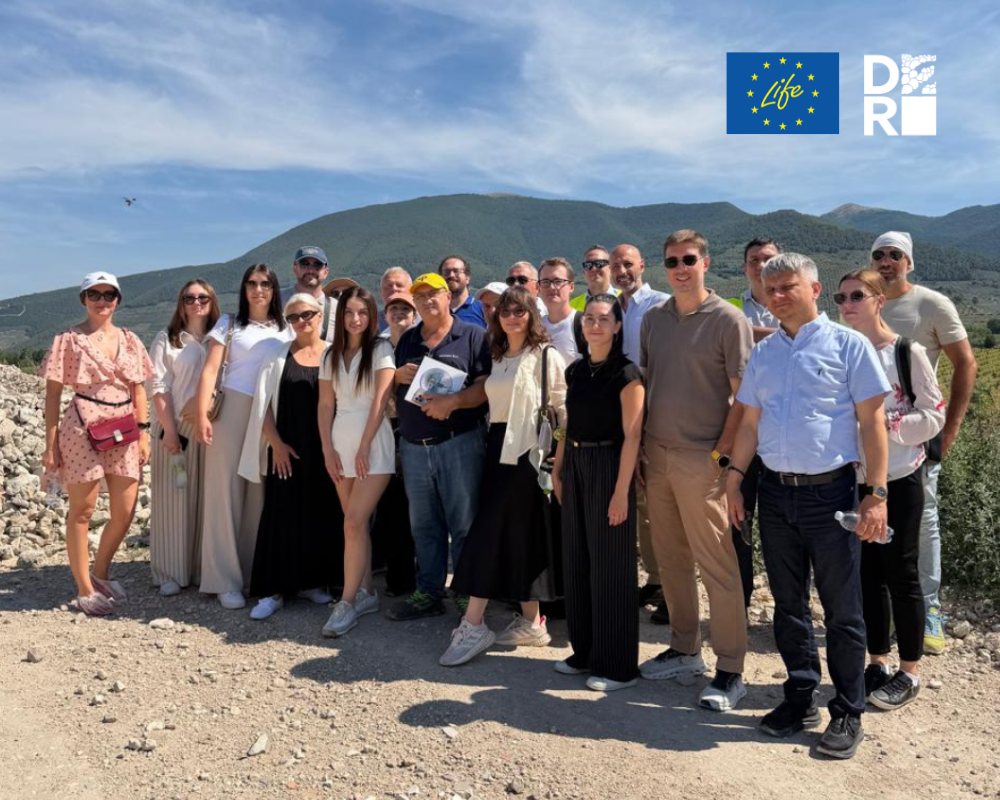
The programme continued with two technical visits that provided complementary perspectives on material recovery. In Poreta, near Spoleto, the delegation visited Marcucci S.r.l., a company specialised in the treatment of construction and demolition waste, and explored the different stages of the process: from material inspection and sorting to crushing, laboratory testing, quality control and preparation for reuse.

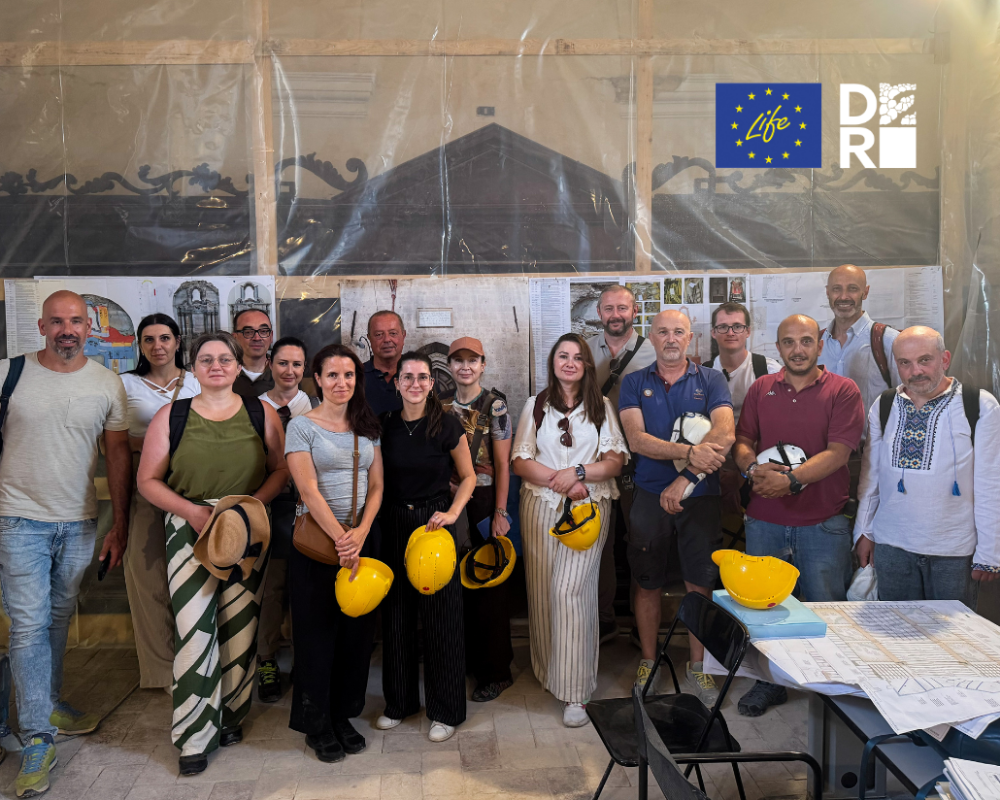
In Norcia, the reconstruction site of the Co-Cathedral of Santa Maria Argentea, severely damaged by the 2016 earthquake, showed how material recovery can also have a cultural and identity-related dimension. Original architectural elements are carefully documented, preserved and reintegrated into the building, combining material reuse with the protection of historical heritage. The visit also provided an opportunity to learn more about the experience gained in Central Italy in securing and reconstructing buildings affected by earthquakes.
 

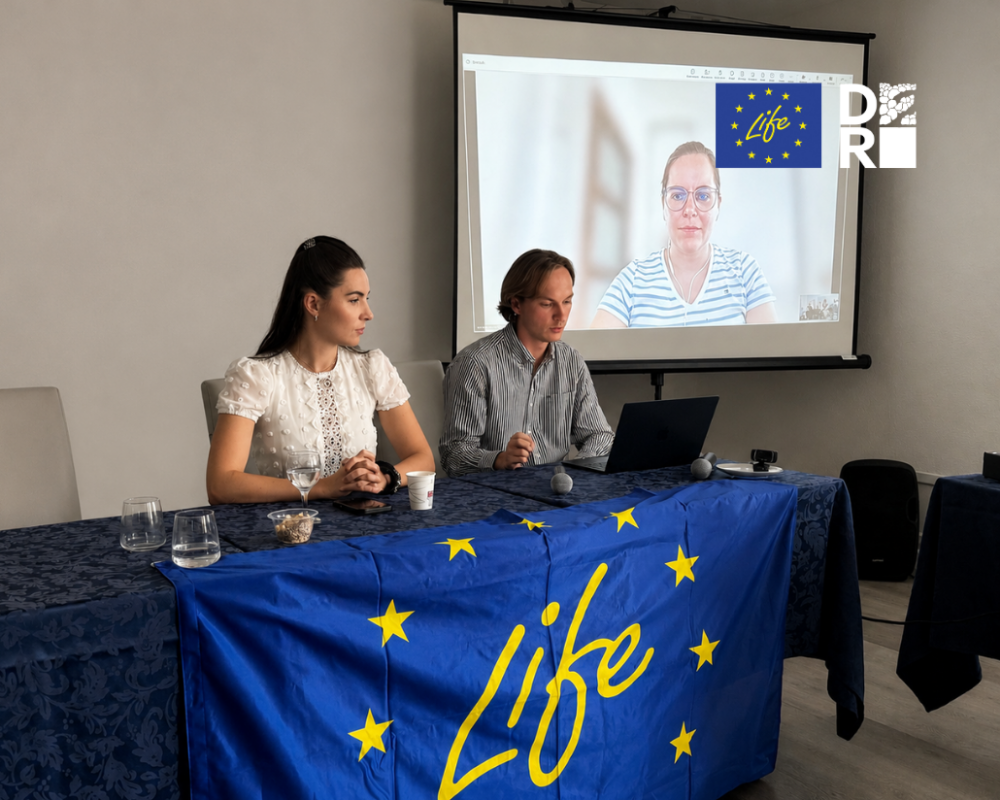
On 9 July, the working visit concluded with the international conference “Debris Management: From Italy’s Post-Earthquake Experience to the Ukrainian Context”, organised within the framework of LIFE D2R and hosted by GBC Italia and CCIPU, under the patronage of the Umbria Region and the Municipality of Norcia, in collaboration with the Umbria Chapter of GBC Italia.

The conference brought together Italian public authorities, representatives of the Ukrainian communities of Irpin and Borodianka, researchers, technical experts, businesses and project partners. The discussions connected Italy’s experience in post-earthquake debris management with the challenges of reconstruction in Ukraine, focusing on material sorting and recovery, quality control systems, regulatory tools and the integration of circular economy principles into reconstruction processes.

The activities carried out in Umbria represent an important contribution to the work of LIFE D2R, which aims to adapt technical expertise, circular economy practices and experience gained at local level to the needs of Ukrainian communities. The objective is to promote more effective and sustainable debris management and contribute to a reconstruction process that recovers resources, strengthens local capacities and supports more resilient communities.
The D2R project is implemented by a consortium of 15 partner organisations and funded by the European Union. The views and opinions expressed are solely those of the authors and do not necessarily reflect those of the European Union or the granting authority. Neither the European Union nor the granting authority can be held responsible for the content of this publication.
The Debris2Resource – Green Recovery Ukraine (LIFE D2R-GreenUA) project, co-funded by the European Union’s LIFE Programme, brings together Ukrainian and European partners to develop sustainable solutions for managing construction debris generated by the destruction of urban infrastructure in Ukraine. The project promotes methodologies for the removal, sorting, recycling and reuse of materials, starting with the Kyiv region as a pilot area, and contributes to a more circular, resilient and resource-efficient reconstruction process.
Share This