The LIFE Debris2Resource: Green Recovery Ukraine is co-funded by the LIFE Program (EU)
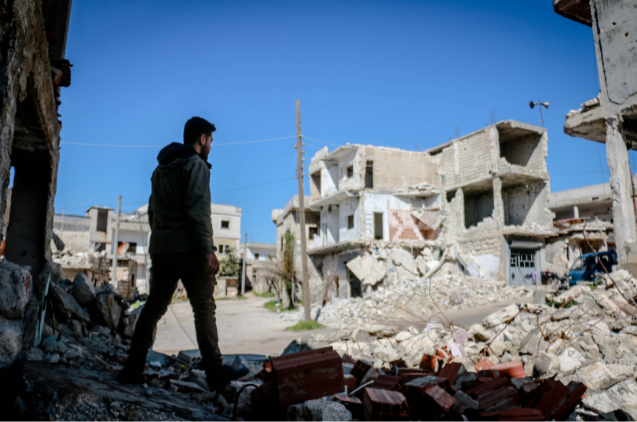
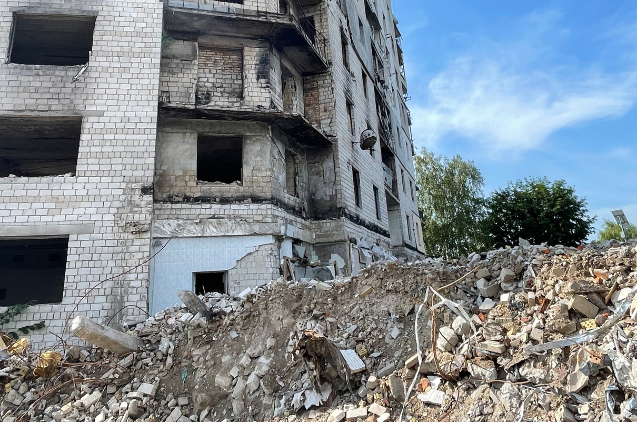
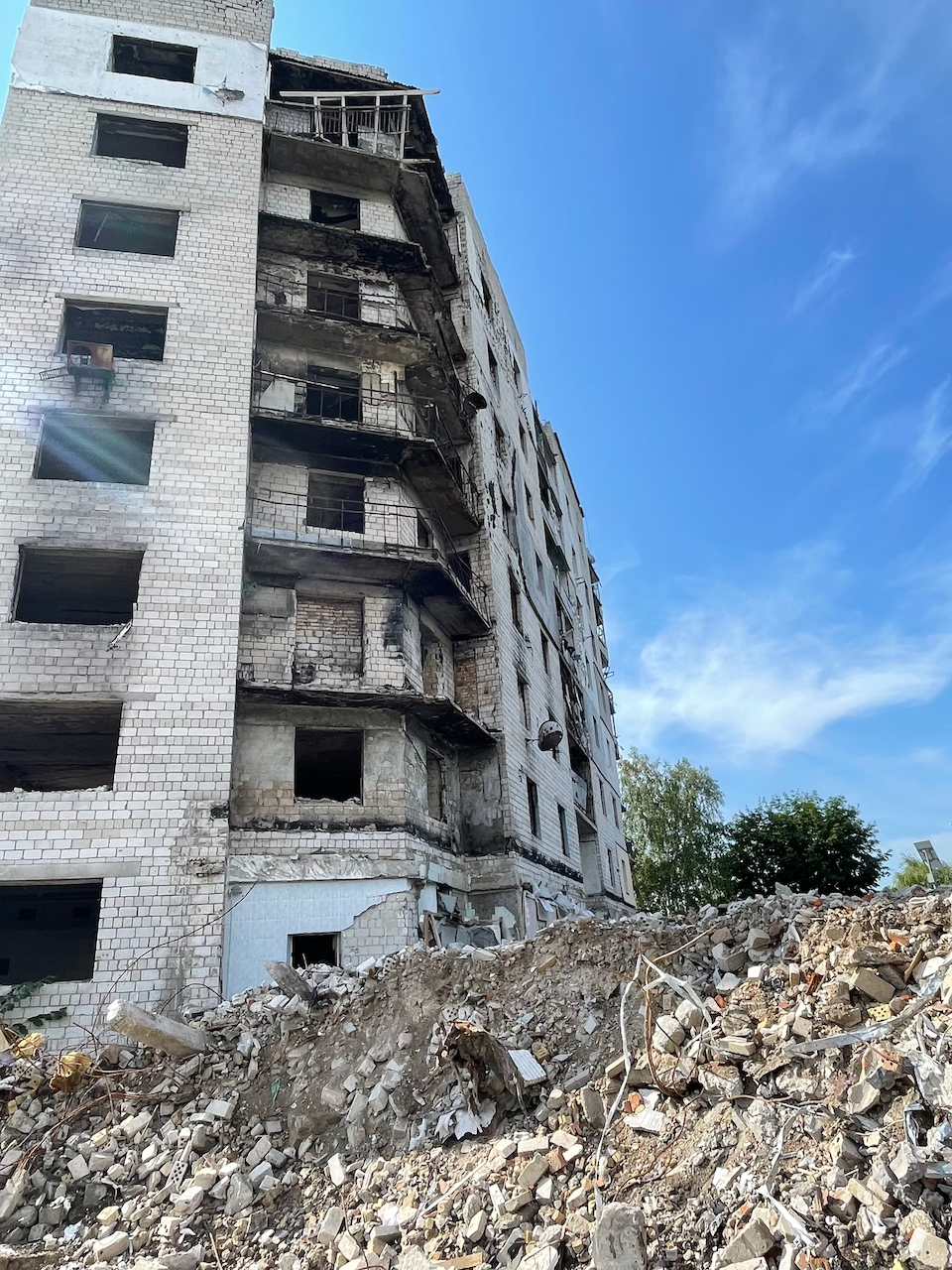
The LIFE Debris2Resource – Green Recovery Ukraine (LIFE D2R-GreenUA) project is a collaborative initiative between Ukrainian and European partners, co-financed by the LIFE Programme of the European Union. It aims to address one of the most pressing challenges generated by the Russian invasion: the management of massive volumes of construction debris caused by the destruction of urban infrastructures. The project develops and applies systematic methods for the safe removal, sorting, recycling, and reuse of construction waste, starting from the Kyiv region as a pilot area. Implemented in coordination with the Government of Ukraine — including the Ministries of Economy and Environment — as well as international organizations such as UNDP and JICA, the project will later be extended to other regions to support sustainable and resilient reconstruction of Ukrainian cities.
Objectives
The main objective of LIFE D2R-GreenUA is to build a replicable and scalable debris management model, combining technical innovation, circular economy principles, and policy development. Specifically, the project aims to:
- Develop a Replicable Debris Management Methodology (RDMM) for sorting and processing materials such as concrete, iron, wood, and hazardous substances.
- Ensure the safe treatment and disposal of hazardous waste, including asbestos, in line with environmental and health standards.
- Design a Circular Construction Business Model (CCBM) to foster public-private cooperation, create economic incentives, and strengthen Ukraine’s regulatory framework on construction waste.
- Support the alignment of Ukraine’s reconstruction strategy with EU and international sustainability standards (UNDP, LEED, EU directives).
Pilot Sites
The methodologies will be tested in three pilot sites particularly affected by war damage:
- Irpin
- Borodyanka
- Hostomel
These sites will serve as regenerative hubs, where debris will be transformed into new construction materials, demonstrating the potential of circular economy solutions for urban recovery.
Main Activities
- Area A – Urban Planning and Infrastructure Assessment Mapping the current situation in the targeted municipalities to identify the amount and type of debris, existing waste infrastructure, and potential for material recovery.
- Area B – Methodology and Business Model Development Developing and refining debris management methodologies applicable in both post-war and conventional urban construction contexts.
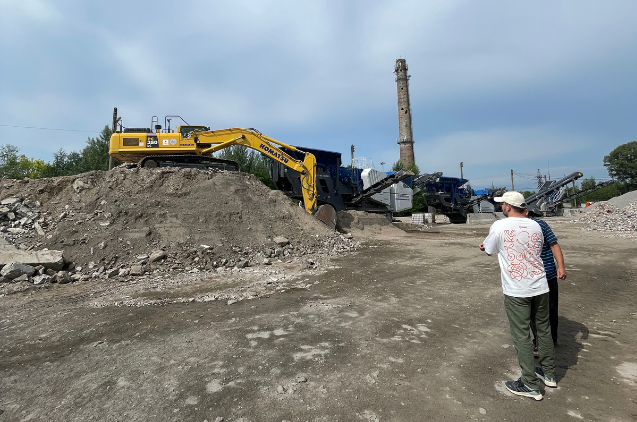
- Area C – Pilot Sites and Regenerative Hubs Establishing recycling and regenerative hubs to convert rubble into reusable materials and apply them in real reconstruction projects.
- Area D – Capacity Building and Knowledge Transfer Strengthening local institutional capacities and promoting exchange of best practices between Ukrainian and European cities (e.g., Roubaix, Tolentino).
Expected Results
- Replicable debris management model for Ukrainian cities
- Reduced environmental risks and landfill waste
- Establishment of circular economy hubs and clusters
- Improved competitiveness of Ukrainian producers on the EU market
- Contribution to sustainable recovery and the European Green Deal
PARTNERS
Ukrainian partners
- Borodyanka, Irpin, Hostomel Councils (Ukraine) – pilot project implementation and cooperation with local communities.
- IRS (Institute for Community Development, Ukraine) – data management and cooperation with municipalities.
- KNUCA (Kyiv National University of Construction and Architecture, Ukraine) – scientific expertise and methodological support.
- Kramar Eko (Ukraine) – technical solutions for recycling and material reuse.
- Lviv City Institute (Ukraine) – ensuring sustainability of results and developing replication models.
- ReThink NGO (Ukraine) – communication, dissemination, and visibility of project outcomes.
- WUA (Waste Ukraine Analytics, Ukraine) – data collection and advocacy activities.
European partners
- CERN (Switzerland) – debris value chain methodology and impact monitoring.
- CCIPU (Italy–Ukraine Chamber of Commerce and Industry) – bridging business relations between Ukraine and the EU, supporting market access.
- Emmanuel Lowe (France) – consultancy on sustainability and innovation.
- GBC Italia (Italy) – capacity building, training, and knowledge transfer.
- Microfinanza (Italy) – development of financial tools and support for circular business models.
Latest updates
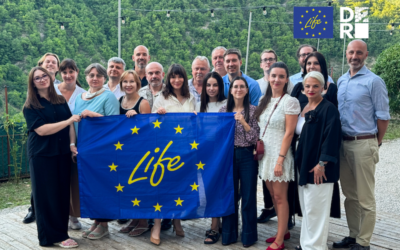
LIFE Debris2Resource: working visit in Umbria, Italy
LIFE D2R partners met in Umbria to exchange expertise on debris management, material recovery and sustainable reconstruction for Ukraine.